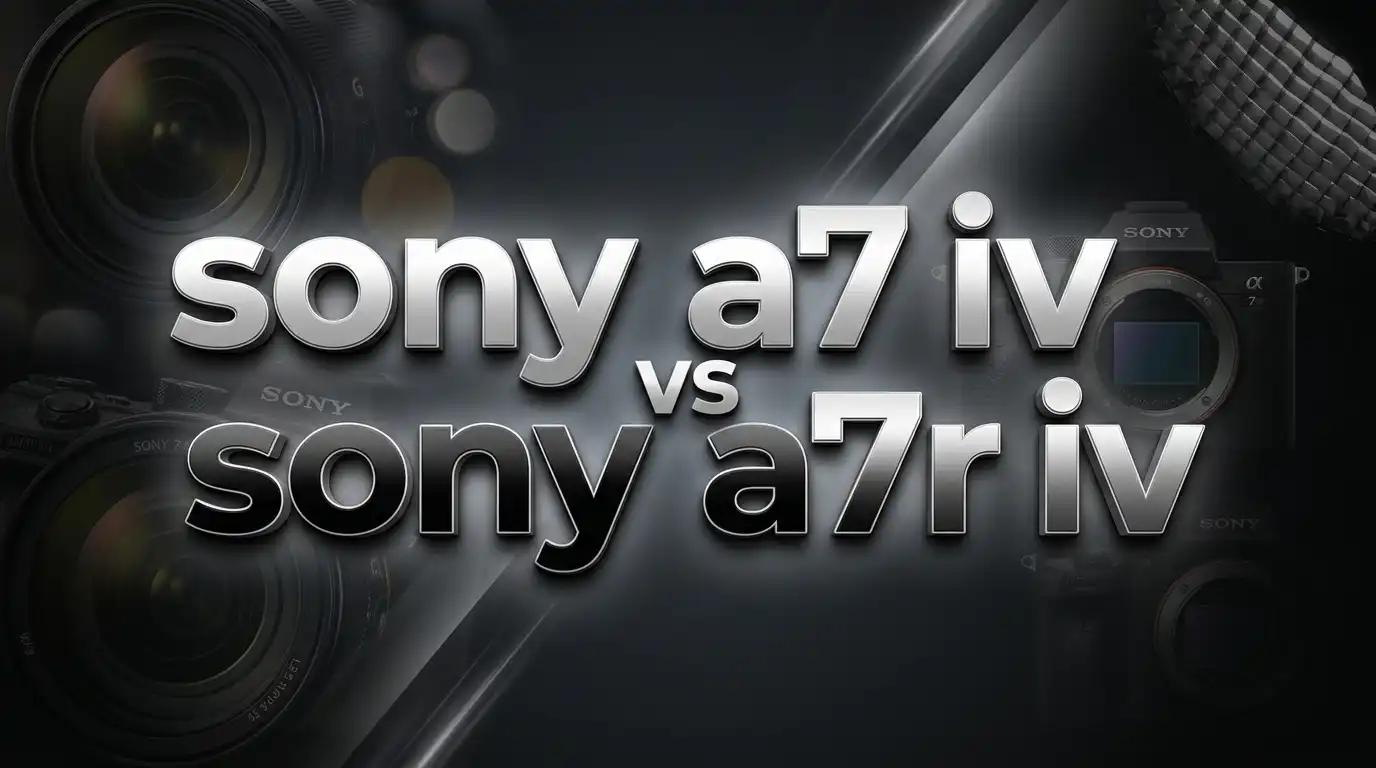
Sony A7 IV vs Sony A7R IV: Which Camera Deserves Your Money in 2026?
Choosing between the Sony A7 IV and the Sony A7R IV can feel like a tough decision. Both cameras come from Sony’s acclaimed Alpha lineup. Both deliver stunning image quality. But they serve very different types of photographers.
The Sony A7 IV is a versatile hybrid shooter built for photo and video creators. The Sony A7R IV is a resolution powerhouse made for detail-obsessed photographers. One gives you 33 megapixels with modern video features. The other pushes 61 megapixels for jaw-dropping sharpness.
In this detailed comparison, we break down every important difference between these two popular cameras. We cover image quality, autofocus, video performance, build quality, handling, and much more.
By the end of this post, you will know exactly which camera fits your needs. Let’s dive in and settle this debate once and for all.
Key Takeaways
- The Sony A7 IV offers 33 megapixels with the newer BIONZ XR processor. It delivers faster processing, better autofocus tracking, and superior video features including 4K 60p recording. If you want an all-around hybrid camera, the A7 IV is the smarter choice.
- The Sony A7R IV delivers 61 megapixels of resolution. This makes it ideal for landscape photography, studio work, and commercial shoots where extreme detail matters. You can crop heavily and still retain excellent image quality.
- Autofocus performance favors the A7 IV. It uses Sony’s latest real-time tracking AF system with improved subject recognition. The A7R IV has capable autofocus, but the A7 IV’s newer processor gives it an edge in speed and reliability.
- Video shooters should pick the A7 IV. It records 4K at 60 frames per second with no crop. The A7R IV maxes out at 4K 30p and lacks several modern video features like 10-bit 4:2:2 internal recording.
- File sizes differ dramatically. The A7R IV produces files around 120 MB in uncompressed RAW. The A7 IV files sit around 65 MB. This affects storage needs, editing speed, and computer hardware requirements.
- Price is a factor. The A7 IV typically costs less than the A7R IV. If you do not need 61 megapixels, the A7 IV gives you more modern features at a better value.
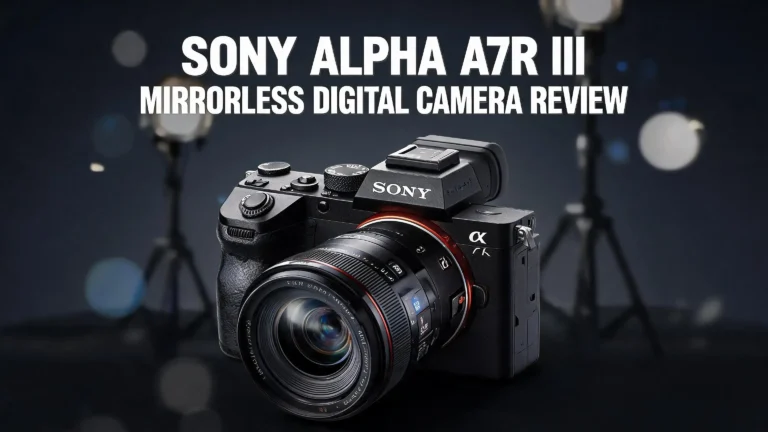
Sony A7 IV: Overview and Key Features

- 33MP full-frame Exmor R back-illuminated CMOS sensor.Operating temperature : 0 to 40 °C (32 to 104 °F), Rated input...
- 8x more powerful, next generation BIONZ XR image processing engine

Last update on 2026-08-06 / Affiliate links / Images from Amazon Product Advertising API
The Sony A7 IV launched in late 2021 as Sony’s updated mid-range full-frame mirrorless camera. It replaced the popular A7 III and brought significant upgrades across the board. Sony positioned it as a “new basic” camera for creators.
It features a 33-megapixel back-illuminated Exmor R CMOS sensor paired with the BIONZ XR image processor. This is the same processor found in Sony’s flagship A1 camera. The result is fast performance, excellent noise handling, and reliable autofocus.
The A7 IV also introduced a redesigned menu system that is far easier to use than previous Sony cameras. The touchscreen interface feels modern and responsive. Sony also added a fully articulating rear LCD screen, which is great for video creators and vloggers.
Connectivity options include Wi-Fi, Bluetooth, and USB-C with fast data transfer. The camera has dual card slots supporting CFexpress Type A and SD cards. Overall, the A7 IV is a well-rounded camera built for modern content creation.
Pros:
- Excellent hybrid photo and video performance
- Advanced real-time autofocus tracking with subject recognition
- 4K 60p video with 10-bit 4:2:2 internal recording
- Fully articulating touchscreen LCD
- Modern menu system with intuitive navigation
Cons:
- 33 MP may not satisfy resolution-hungry photographers
- Rolling shutter can be noticeable in some video modes
- EVF resolution could be higher for this price range
- Battery life drops noticeably during heavy video use
Sony A7R IV: Overview and Key Features

- World’s first 61MP full-frame back-illuminated Exmor R sensor
- 15-stop dynamic range, 14-bit uncompressed RAW, ISO 50 to 102,400
Last update on 2026-08-06 / Affiliate links / Images from Amazon Product Advertising API
The Sony A7R IV arrived in 2019 as a resolution king in the Alpha lineup. It packed a 61.0-megapixel back-illuminated Exmor R CMOS sensor into a familiar body. This was the highest resolution full-frame mirrorless sensor at its launch.
Sony designed the A7R IV for photographers who demand extreme detail and clarity. Landscape shooters, architectural photographers, and studio professionals love this camera. The level of detail in every image is remarkable.
The camera uses the older BIONZ X processor but still performs well for photography tasks. It offers 567 phase-detection AF points covering about 74% of the image area. Eye AF works for both humans and animals, making it a solid portrait camera too.
The A7R IV has a high-resolution 5.76-million-dot OLED electronic viewfinder. This EVF is sharper than the one in the A7 IV. The body also features weather sealing, dual SD card slots, and reliable battery life with the NP-FZ100 battery.
Pros:
- Incredible 61 MP resolution for maximum detail
- Excellent dynamic range for post-processing flexibility
- High-resolution 5.76-million-dot EVF
- Strong weather-sealed magnesium alloy body
- Great for large prints and heavy cropping
Cons:
- Massive file sizes strain storage and editing workflows
- Older BIONZ X processor limits video capabilities
- No 4K 60p video recording
- Menu system feels dated compared to newer Sony cameras
- Requires top-quality lenses to fully resolve sensor detail
Image Quality Comparison
Image quality is the primary reason most people buy these cameras. Both deliver outstanding results, but they approach image quality differently.
The Sony A7R IV wins on pure resolution. At 61 megapixels, it captures an extraordinary amount of detail. Fine textures, distant objects, and tiny elements all appear crisp and sharp. This is perfect for large-format printing or images that need significant cropping.
The Sony A7 IV counters with newer sensor technology and processing. Its 33-megapixel sensor produces cleaner images at high ISO settings. Noise performance is noticeably better, especially above ISO 6400. Colors also appear slightly more natural straight out of camera.
Dynamic range is excellent on both cameras. The A7R IV offers roughly 15 stops of dynamic range. The A7 IV matches this closely. Both cameras handle highlight and shadow recovery very well in post-processing.
For most photographers, 33 megapixels is more than enough. You only need 61 megapixels if your work specifically demands it.
Autofocus Performance
Autofocus is one area where the Sony A7 IV pulls clearly ahead. Its newer BIONZ XR processor enables more advanced AF algorithms and faster subject tracking.
The A7 IV features 759 phase-detection AF points covering approximately 94% of the sensor. It recognizes and tracks humans, animals, birds, and even vehicles. The real-time tracking system locks onto subjects and follows them with impressive accuracy.
The A7R IV has 567 phase-detection AF points with 74% sensor coverage. Its Eye AF and tracking work well for most situations. But it lacks the newer subject recognition categories like birds and vehicles.
In low-light conditions, the A7 IV also performs better. It can focus in light as dim as EV -4, while the A7R IV reaches EV -3. This one-stop advantage matters for indoor events, concerts, and evening shoots.
If you photograph fast-moving subjects like sports, wildlife, or active children, the A7 IV gives you more reliable results.
Video Capabilities
Video is where these two cameras show their biggest gap. The Sony A7 IV is a serious video tool. The A7R IV is primarily a stills camera with basic video features.
The A7 IV records 4K at 60 frames per second using a Super 35 crop. At 4K 30p, it uses the full width of the sensor with oversampled 7K readout. It also supports 10-bit 4:2:2 color depth internally, which gives colorists much more flexibility in post-production.
Sony also included S-Cinetone and S-Log3 picture profiles in the A7 IV. These profiles are borrowed from Sony’s professional cinema camera line. They produce beautiful skin tones and maximum dynamic range for color grading.
The A7R IV records 4K at 30 frames per second only. It uses 8-bit 4:2:0 color internally. There are no advanced cinema color profiles. Video autofocus is also slower and less reliable compared to the A7 IV.
If video is any part of your workflow, the A7 IV is the clear winner here.
Burst Shooting and Buffer
Both cameras offer solid continuous shooting speeds, but the experience differs based on file size and buffer depth.
The Sony A7 IV shoots at 10 frames per second with the mechanical or electronic shutter. Its buffer can handle approximately 828 JPEG images or around 80+ compressed RAW files in a burst. The smaller 33 MP files clear the buffer faster.
The Sony A7R IV also shoots at 10 frames per second. However, its 61-megapixel files are much larger. The buffer fills up quicker, and the camera takes longer to write data to the memory cards. You will notice more slowdown during extended bursts.
For sports and action photography, the A7 IV provides a smoother experience. The combination of faster processing, better AF tracking, and quicker buffer clearing makes it more responsive in fast-paced situations.
The A7R IV works fine for short bursts. But long continuous shooting sessions will expose its limitations with those massive file sizes.
Body Design and Ergonomics
Both cameras share Sony’s familiar Alpha body design, but the A7 IV introduced notable improvements.
The A7 IV has a slightly deeper grip that feels more comfortable during long shooting sessions. Sony also redesigned the rear dial and button layout for better usability. The fully articulating LCD screen tilts and swivels in every direction.
The A7R IV uses an older body design with a tilting LCD screen that only moves up and down. This is fine for landscape shooters but limiting for video creators or anyone shooting at unusual angles.
Both cameras feature weather-sealed magnesium alloy construction. They handle rain, dust, and cold temperatures well. The A7R IV and A7 IV weigh approximately 665g and 659g respectively, so they feel nearly identical in hand.
The A7 IV’s modern menu system is a major upgrade. Sony completely redesigned the interface, and it is much more intuitive. The A7R IV uses the older menu system that many photographers find frustrating.
Electronic Viewfinder Comparison
The electronic viewfinder is important for precise composition and manual focus accuracy. Here, the A7R IV holds an advantage.
The A7R IV features a 5.76-million-dot OLED EVF with 0.78x magnification. The image in the viewfinder looks incredibly sharp and detailed. This high resolution helps when you need to confirm critical focus on that 61-megapixel sensor.
The A7 IV has a 3.69-million-dot OLED EVF with 0.78x magnification. It looks good, but the difference is visible when you compare them side by side. Fine details appear slightly less defined in the A7 IV’s viewfinder.
For most shooting situations, the A7 IV’s EVF is perfectly adequate. But photographers who rely heavily on the viewfinder for precise manual focusing will appreciate the A7R IV’s extra resolution.
Both viewfinders offer smooth refresh rates and good color reproduction. Neither camera will disappoint you in this category.
Battery Life and Power Management
Both cameras use the Sony NP-FZ100 battery, which is one of the best mirrorless camera batteries available.
The A7 IV delivers approximately 580 shots per charge using the LCD screen and about 520 shots through the viewfinder. These numbers drop significantly during video recording, especially at 4K 60p.
The A7R IV manages approximately 530 shots per charge with the LCD and 670 shots using the viewfinder. The higher viewfinder number is notable and useful for long outdoor shooting sessions.
Both cameras support USB-C charging and power delivery. You can charge them using a portable power bank, which is convenient for travel. They also support battery grips for extended shooting.
Real-world battery life will vary based on your usage. Features like image stabilization, continuous AF, and Wi-Fi all consume extra power. Carrying a spare NP-FZ100 battery is always a good idea with either camera.
In-Body Image Stabilization
Both cameras feature 5-axis in-body image stabilization (IBIS), but the effectiveness differs slightly.
The Sony A7 IV offers 5.5 stops of stabilization compensation. This is excellent for handheld shooting at slow shutter speeds. It works well for both photo and video, reducing camera shake noticeably.
The Sony A7R IV provides 5.5 stops of stabilization as well. However, because of its higher resolution sensor, camera shake is more visible in images. Even tiny movements show up at 61 megapixels. You may need faster shutter speeds with the A7R IV to get consistently sharp results.
In practice, the A7 IV feels more forgiving for handheld shooting. The lower resolution sensor masks minor vibrations that the A7R IV would reveal. This is something to consider if you shoot handheld frequently.
Both cameras benefit greatly from optically stabilized lenses. Pairing IBIS with lens-based stabilization gives you the best results on either body.
Storage and Workflow Considerations
Your choice between these cameras will significantly affect your storage and editing workflow.
The A7R IV produces uncompressed RAW files around 120 MB each. A busy day of shooting can easily generate 100 GB or more of data. You will need fast, large-capacity memory cards and substantial hard drive storage.
The A7 IV creates RAW files around 65 MB each. This is roughly half the size. Your memory cards last longer, file transfers are faster, and editing software responds more quickly.
Editing 61-megapixel files also demands a powerful computer. Applications like Lightroom and Capture One need more RAM and processing power to handle A7R IV files smoothly. The A7 IV’s files are much easier on your hardware.
If you shoot high volumes, like wedding or event photographers, the A7 IV’s smaller files save you time and money on storage. The A7R IV makes more sense for photographers who shoot fewer frames but need maximum detail from each one.
Price and Value Comparison
Price is always an important factor in any camera decision. The Sony A7 IV generally costs less than the A7R IV, and it offers more modern features.
The A7 IV launched at around $2,498 for the body only. Street prices have dropped since launch, making it an even better value. You get the latest processor, advanced autofocus, and strong video capabilities for this price.
The A7R IV launched at approximately $3,498 for the body only. Prices have also fallen over time. But you are still paying more for a camera with an older processor and fewer modern features.
The A7 IV represents better overall value for most photographers and creators. The A7R IV justifies its higher price only if you specifically need 61 megapixels for your work.
Remember that both cameras require quality full-frame lenses to perform their best. Budget for glass alongside your camera body.
Who Should Buy the Sony A7 IV?
The Sony A7 IV is ideal for hybrid creators who shoot both photos and videos. If you produce content for social media, YouTube, or client work that requires versatility, this camera excels.
Wedding and event photographers will appreciate the faster autofocus, better buffer, and smaller file sizes. The camera keeps up with fast-paced environments without slowing you down.
Travel photographers benefit from the A7 IV’s balance of resolution, performance, and manageable file sizes. You get beautiful images without needing massive storage solutions on the road.
Anyone upgrading from an older Sony A7 III or a crop-sensor camera will find the A7 IV to be a fantastic step up. It offers modern features in a familiar and affordable package.
Who Should Buy the Sony A7R IV?
The Sony A7R IV is built for photographers who prioritize resolution above everything else. If your work demands extreme detail, this camera delivers.
Landscape photographers will love the ability to capture scenes with incredible clarity. Every rock, leaf, and cloud appears sharp. Large prints look stunning with 61 megapixels of data.
Commercial and product photographers benefit from the extra resolution for retouching and cropping. Art directors appreciate having flexibility in post-production to reframe shots.
Fine art photographers who sell large gallery prints will find the A7R IV produces files that hold up beautifully at massive sizes. The detail is simply unmatched by the A7 IV.
If you rarely shoot video and you have a fast computer with plenty of storage, the A7R IV rewards you with image quality that few cameras can match.
Frequently Asked Questions
Is the Sony A7 IV better than the A7R IV?
It depends on your needs. The A7 IV is better for video, autofocus speed, and overall versatility. The A7R IV is better for pure resolution and detail in photographs. Most hybrid shooters will prefer the A7 IV.
Can the Sony A7R IV shoot 4K 60p video?
No. The Sony A7R IV records 4K video at 30 frames per second maximum. If you need 4K 60p, the Sony A7 IV is the better choice. It also supports 10-bit internal recording.
Do both cameras use the same lenses?
Yes. Both cameras use the Sony E-mount system. Any E-mount full-frame lens works on either body. Third-party lenses from Sigma, Tamron, and others are also fully compatible.
Is 33 megapixels enough for professional photography?
Absolutely. 33 megapixels is more than sufficient for most professional applications including large prints, commercial work, and editorial photography. You only need 61 megapixels for very specific use cases.
Which camera has better low-light performance?
The Sony A7 IV generally performs better in low light. Its newer sensor and processor produce cleaner images at high ISO values. The A7R IV’s smaller pixel pitch makes it slightly more susceptible to noise.
Are the file sizes from the A7R IV a real problem?
They can be. A7R IV RAW files are roughly twice the size of A7 IV files. This affects memory card capacity, transfer speeds, storage costs, and editing performance. Make sure your workflow can handle large files before committing.

Hi, I’m Emma! I’m that friend who always gets asked “Should I buy this gadget?” – and I love it. After years of being the unofficial tech advisor for family, friends, and coworkers, I realized I had a knack for cutting through marketing hype to find what actually works.