Garmin Bounce 2 vs Fitbit Ace LTE: Which Deserves Your Money in 2026?
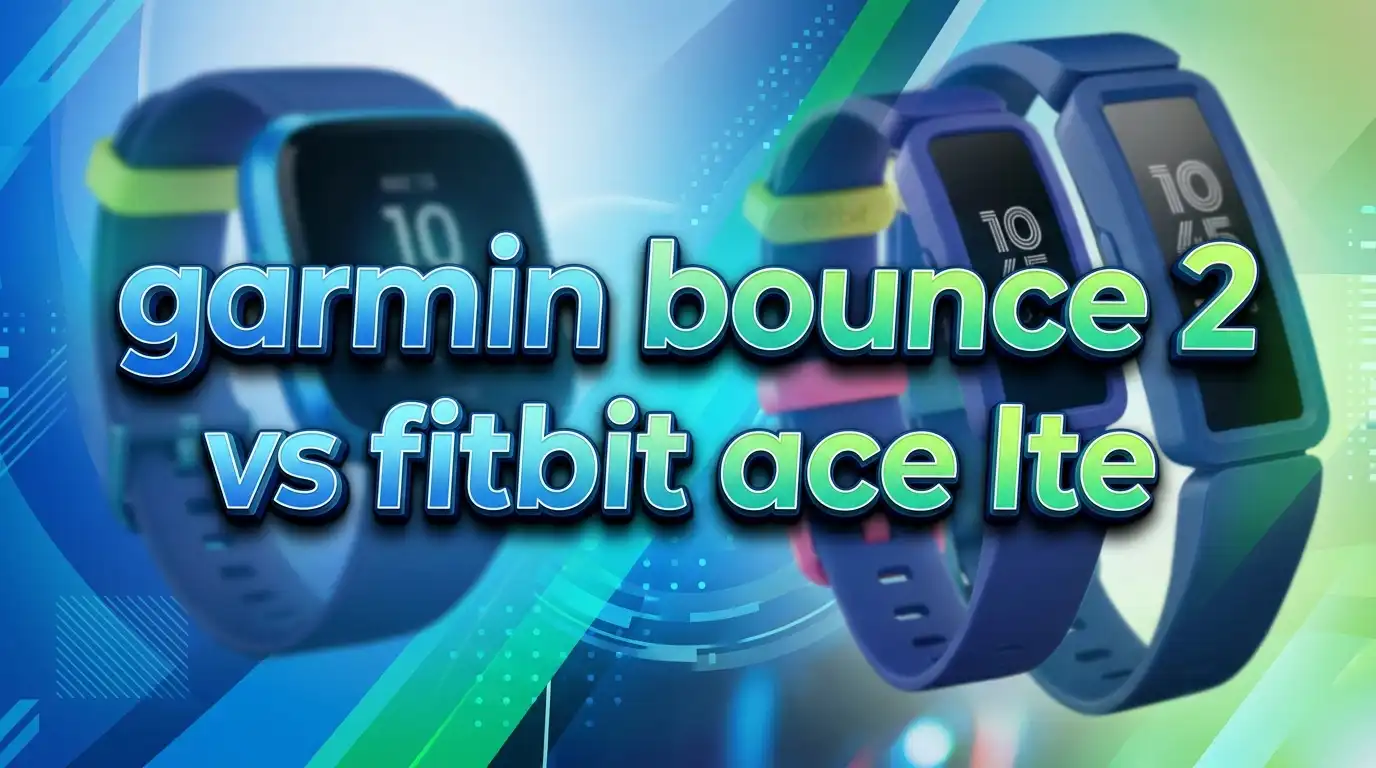
Your child wants a smartwatch. You want peace of mind. The Garmin Bounce 2 and Fitbit Ace LTE are two of the most popular kids smartwatches on the market right now.
Both offer LTE calling, GPS tracking, and activity features built for young wrists. But they differ in battery life, price, design, health sensors, and parental controls.
This comparison breaks down every important detail so you can pick the best option for your family. We cover design, battery, display, tracking, games, subscription costs, and more. Read on to find out which kids smartwatch wins this head to head battle.
Key Takeaways
- The Garmin Bounce 2 costs $299.99 and the Fitbit Ace LTE costs $229.99. Both require a monthly subscription plan of about $9.99 per month for LTE features like calling and messaging.
- The Garmin Bounce 2 offers much better battery life at up to 2 days compared to just 16+ hours on the Fitbit Ace LTE. The Fitbit Ace LTE includes an optical heart rate sensor, while the Garmin Bounce 2 does not have one.
- Both watches are swim friendly with a 5 ATM water resistance rating. The Garmin Bounce 2 runs on Garmin OS and pairs with the Garmin Jr. app, while the Fitbit Ace LTE runs on Android and uses the Fitbit Ace app.
- The Fitbit Ace LTE has 32 GB of storage compared to just 4 GB on the Garmin Bounce 2. Both watches support GPS location tracking, geofencing, and parent controlled contact lists.
- If battery life and outdoor sports tracking matter most, the Garmin Bounce 2 wins. If heart rate monitoring and interactive games are your priority, the Fitbit Ace LTE is the better pick.
Garmin Bounce 2 Overview

- Real-time location tracking lets parents check in on their child’s whereabouts through the Garmin Jr. smartphone app...
- Up to 2 days of battery life means less time charging and more time wearing (connected feature use significantly impacts...

Last update on 2026-10-23 / Affiliate links / Images from Amazon Product Advertising API
The Garmin Bounce 2 launched in late 2025 as the successor to the original Garmin Bounce. It is a GPS kids smartwatch with LTE connectivity, two way calling, text messaging, and real time location tracking. The watch has a 43mm fiber reinforced polymer case and weighs just 40.4 grams with the strap.
Garmin built this watch for kids who love sports and outdoor activity. It includes built in sports apps for running, biking, swimming, and more. Parents manage everything through the Garmin Jr. app on their phone. The app lets you set safe zones, approve contacts, and monitor your child’s location in real time.
The display is a 1.2 inch AMOLED touchscreen with bright colors that are easy to read outdoors. Garmin also included physical buttons for quick navigation. The watch supports Amazon Music for offline listening, which is a unique perk for kids who like music during activities.
Pros:
- Up to 2 days of battery life
- Swim friendly with 5 ATM water resistance
- Built in sports apps for multiple activities
- Amazon Music support for offline playback
- Durable fiber reinforced polymer case
Cons:
- No heart rate sensor
- Higher price at $299.99
- Only 4 GB of internal storage
- Requires $9.99/month LTE subscription
Fitbit Ace LTE Overview

- KNOW WHERE YOUR WILD THINGS ARE - The Fitbit Ace LTE is the first-of-its-kind kids smartwatch and fitness tracker...
- IN-APP CALLS & MESSAGES WITHOUT A PHONE NUMBER - Stay connected and add up to 20 contacts (ages 13 and up) for them to...
Last update on 2026-10-23 / Affiliate links / Images from Amazon Product Advertising API
The Fitbit Ace LTE is Google’s answer to the kids smartwatch market. It launched in mid 2024 and targets children ages 7 to 11. This watch combines LTE calling, GPS tracking, and activity based games into one colorful package.
The Ace LTE has a square shaped design with a Corning Gorilla Glass 3 protected OLED display. It weighs about 28 grams without the band, making it lighter than the Garmin Bounce 2. Google designed it with fun and movement as the core idea. The Fitbit Arcade offers games that require physical activity to play.
Parents use the Fitbit Ace app to manage contacts, set school time restrictions, and track location. The watch supports up to 20 approved contacts for calling and messaging. It also has an optical heart rate sensor, which the Garmin Bounce 2 lacks.
Pros:
- Lower price at $229.99
- Built in optical heart rate sensor
- 32 GB of internal storage
- Corning Gorilla Glass 3 display protection
- Lightweight at just 28 grams
Cons:
- Battery lasts only 16+ hours
- Needs daily charging
- Activity games may distract some kids
- Requires Ace Pass at $9.99/month
Design and Build Quality
Both watches are built for active kids, but they take different design paths. The Garmin Bounce 2 has a round watch face with a 43mm fiber reinforced polymer case. It feels sporty and rugged on the wrist. The physical buttons give kids a tactile way to navigate alongside the touchscreen.
The Fitbit Ace LTE has a square display with rounded corners. It uses a mix of plastic, stainless steel, and recycled materials. The Corning Gorilla Glass 3 protects the screen from scratches and bumps. Both watches use silicone bands that are comfortable for small wrists.
The Garmin Bounce 2 weighs 40.4 grams with the strap while the Fitbit Ace LTE weighs about 28 grams without the band. The Fitbit is noticeably lighter. For smaller kids, the Fitbit may feel more comfortable for all day wear. Both watches come in fun color options that appeal to children.
Display Comparison
The screen is where kids spend most of their time, so display quality matters. The Garmin Bounce 2 uses a 1.2 inch AMOLED display that delivers vibrant colors and deep blacks. It performs well under direct sunlight, which is important for outdoor play.
The Fitbit Ace LTE features a 1.61 inch color OLED display with a 333 ppi pixel density and DCI P3 color support. This screen is larger and sharper than the Garmin’s display. Text, icons, and game graphics look crisp and colorful on the Fitbit.
For kids who play interactive games on their watch, the Fitbit’s bigger screen provides a better experience. For kids who mainly use the watch for calls, texts, and sports tracking, the Garmin’s AMOLED display is more than good enough. Both screens handle everyday tasks like reading messages and checking the time with ease.
Battery Life: A Major Difference
Battery life is one of the biggest differences between these two watches. The Garmin Bounce 2 delivers up to 2 days of battery life on a single charge. This means your child can wear it through a full day of school, activities, and sleep without needing the charger every night.
The Fitbit Ace LTE lasts about 16+ hours on a full charge. That means it needs to charge every single night. If your child forgets to charge it, the watch will be dead by the next afternoon. The Fitbit does charge fast though. You get 60% in just 30 minutes with the USB C cable.
For busy families, the Garmin’s longer battery life is a clear advantage. Less charging means fewer chances of your child leaving the house with a dead watch. This is especially important for safety features like GPS tracking and emergency calls that only work when the watch is powered on.
GPS and Location Tracking
Both watches use GPS and LTE for real time location tracking. Parents can open the companion app and see exactly where their child is on a map. The Garmin Bounce 2 uses the Garmin Jr. app and the Fitbit Ace LTE uses the Fitbit Ace app for this purpose.
The Garmin Bounce 2 offers geofencing through its boundary alerts feature. Parents can set safe zones like home, school, or a friend’s house. The watch sends an alert when the child enters or leaves these zones. Garmin also offers LiveTrack, which shows your child’s location in real time during activities.
The Fitbit Ace LTE provides GPS location tracking with Google Location Accuracy built in. Parents can check their child’s location from the app at any time. Both watches perform well for location tracking, but Garmin’s geofencing and LiveTrack features give it a slight edge for parents who want extra control and visibility.
Calling and Messaging Features
Both watches let kids call and text without a smartphone. The Garmin Bounce 2 supports two way calling, text messaging, and voice messages over LTE. Parents approve all contacts through the Garmin Jr. app. Kids can type short texts or send voice messages that get transcribed for parents.
The Fitbit Ace LTE supports calling and messaging with up to 20 approved contacts. It also runs on 4G LTE with a SIM card included in the watch. Parents control the contact list through the Fitbit Ace app.
Both watches require a monthly subscription for LTE features. Garmin charges $9.99 per month or $99 per year. Fitbit charges $9.99 per month or $119.99 per year. The annual subscription costs are similar, but Garmin’s yearly plan is slightly cheaper. Neither watch lets kids access the internet or social media, which is a relief for most parents.
Fitness and Activity Tracking
The Garmin Bounce 2 shines with its built in sports apps. Kids can track activities like running, biking, swimming, hiking, and more. The watch records steps, distance, and active minutes. Garmin also includes chore tracking and reward systems through the parent app. These gamification features encourage kids to stay active and complete tasks.
The Fitbit Ace LTE takes a different approach with its Fitbit Arcade. This collection of games requires physical movement to play. Kids earn points and unlock new content by being active. The optical heart rate sensor adds real time heart rate tracking during exercise and rest.
The Garmin is better for kids who play organized sports and want detailed activity data. The Fitbit is better for kids who need motivation through games to get moving. The heart rate sensor on the Fitbit is a meaningful bonus for parents who want to monitor their child’s health metrics over time.
Parental Controls and Safety
Safety is the main reason parents buy kids smartwatches. The Garmin Bounce 2 offers a comprehensive set of parental controls through the Garmin Jr. app. Parents can approve contacts, set boundary alerts, activate school mode, and view location history. The watch also features an SOS button for emergencies.
The Fitbit Ace LTE has a School Time mode that limits watch functions during school hours. Parents can control contacts, view location, and manage settings from the Fitbit Ace app. The watch does not allow internet browsing or social media access.
Both watches give parents strong control over what their child can do. Garmin’s boundary alerts and LiveTrack provide slightly more detailed location monitoring. Fitbit’s School Time mode is simple and effective. Neither watch exposes children to ads, inappropriate content, or unsupervised communication. Both are COPPA compliant and built with child privacy in mind.
Games and Entertainment
The Fitbit Ace LTE wins the entertainment category with its Fitbit Arcade. These activity based games use the watch’s sensors to track movement. Kids interact with virtual characters called eejies and complete physical challenges. The games are colorful, engaging, and well designed for the target age group.
The Garmin Bounce 2 offers fewer games but includes some fun features. Kids can earn badges and rewards for completing activity goals and chores. The watch also supports Amazon Music, which lets kids download and listen to playlists offline. This is a feature the Fitbit Ace LTE does not offer.
If your child values gaming and interactive fun, the Fitbit delivers a richer experience. If your child prefers music and straightforward activity goals, the Garmin is the better choice. The good news is that neither watch offers addictive screen time like a phone or tablet would.
Water Resistance
Both watches can handle water. The Garmin Bounce 2 has a 5 ATM water resistance rating. This means it can survive depths of up to 50 meters. Kids can wear it while swimming, playing in sprinklers, or taking a shower without any worry.
The Fitbit Ace LTE also carries a 5 ATM water resistance rating. It handles pool time, rain, and accidental splashes equally well. Both watches use materials that resist corrosion from chlorine and salt water.
The Garmin Bounce 2 has a small advantage here because it includes a dedicated swim sport app. Kids can actually track their swimming activity with the Garmin. The Fitbit can survive water but does not offer a swim tracking mode. For families who spend a lot of time at the pool or beach, this is a meaningful difference.
Subscription Plans and Total Cost
The upfront price is only part of the equation. The Garmin Bounce 2 costs $299.99 and requires a $9.99/month subscription plan ($99/year). In the first year, you will spend about $419.87 if you pick the monthly plan.
The Fitbit Ace LTE costs $229.99 and also requires a $9.99/month Ace Pass plan ($119.99/year). Your first year total comes to about $349.87 on the monthly plan.
The Fitbit is $70 cheaper upfront and costs slightly less over the first year. However, the Garmin’s annual plan at $99/year is $20 cheaper per year than Fitbit’s $119.99/year plan. Over two or three years, this gap narrows. Both subscriptions cover LTE service, calling, messaging, and location tracking. Neither watch requires you to switch phone carriers, which keeps setup simple.
Which Watch Should You Buy?
The right choice depends on your child’s age, interests, and your family’s priorities. Pick the Garmin Bounce 2 if your child is active in sports, you want longer battery life, and you value detailed location features like geofencing and LiveTrack. It is also the better pick for swimmers and outdoor adventurers.
Pick the Fitbit Ace LTE if you want a lower upfront cost, built in heart rate monitoring, and fun activity games that keep younger kids engaged. It is ideal for kids ages 7 to 11 who respond well to gamified fitness challenges and need a lightweight watch.
Both watches deliver solid calling, messaging, and GPS tracking. Both keep kids off smartphones while staying connected. You cannot go wrong with either choice. The key is to match the watch with your child’s personality and your parenting style.
Frequently Asked Questions
Does the Garmin Bounce 2 have a heart rate sensor?
No. The Garmin Bounce 2 does not include an optical heart rate sensor. It tracks steps, distance, and active minutes but does not monitor heart rate. The Fitbit Ace LTE does include a heart rate sensor for continuous tracking.
Can my child swim with the Fitbit Ace LTE?
Yes. The Fitbit Ace LTE has a 5 ATM water resistance rating. It can handle swimming, rain, and water play. However, it does not have a dedicated swim tracking mode like the Garmin Bounce 2 offers.
Do both watches require a monthly subscription?
Yes. Both the Garmin Bounce 2 and Fitbit Ace LTE require a $9.99/month subscription for LTE features. Without the subscription, calling, messaging, and location tracking will not work. The Garmin annual plan costs $99/year and the Fitbit annual plan costs $119.99/year.
Which watch has better battery life?
The Garmin Bounce 2 has significantly better battery life at up to 2 days. The Fitbit Ace LTE lasts about 16+ hours and needs daily charging. Heavy use of LTE features can reduce battery life on both devices.
What age group are these watches designed for?
The Fitbit Ace LTE targets kids ages 7 to 11. The Garmin Bounce 2 is suitable for a similar age range but also works well for preteens up to about age 13. Both watches have adjustable bands that fit a range of wrist sizes.
Can kids access the internet or social media on these watches?
No. Neither the Garmin Bounce 2 nor the Fitbit Ace LTE allows kids to browse the internet or use social media. Both watches restrict communication to parent approved contacts only. This makes them safe alternatives to giving a child a smartphone.

Hi, I’m Emma! I’m that friend who always gets asked “Should I buy this gadget?” – and I love it. After years of being the unofficial tech advisor for family, friends, and coworkers, I realized I had a knack for cutting through marketing hype to find what actually works.